Commercial Waste Upminster — Recycling and Sustainability
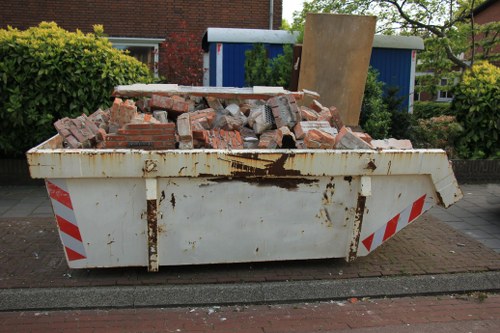 Commercial Waste Upminster is committed to building an eco-friendly waste disposal area that serves local businesses, High Streets and light industrial sites across the town. Our sustainability page explains how commercial waste in Upminster is managed to prioritise reuse, recycling and low-carbon logistics. We work within the borough approach to waste separation, encouraging separate streams for dry recycling, glass, paper, and food where local councils and partners can support consistent collections.
Across Upminster we aim to create a practical, localised model of a sustainable rubbish area that balances operational efficiency with environmental outcomes. That means using local transfer stations, optimising vehicle routes and partnering with community resale organisations to keep valuable materials in use. Our approach supports businesses seeking to reduce landfill, meet corporate reporting goals and demonstrate a measurable reduction in their carbon footprint.
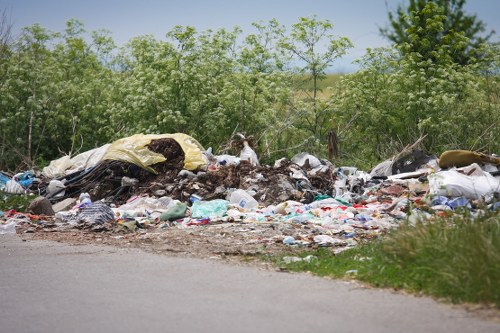 Recycling percentage target: we have set a clear, auditable target of achieving a 60% recycling rate for commercial solid waste by 2028. This target reflects realistic operational progress for the Upminster commercial waste sector while aiming beyond current baseline figures. Progress will be monitored through regular audits, tonnage reporting via transfer stations and cooperation with the local borough's waste teams to ensure accuracy and transparency.
Local transfer stations are central to this plan. We route segregated materials from businesses to nearby municipal and regional transfer facilities to reduce double-handling and emissions. Working closely with the borough and neighbouring borough transfer stations enables consolidated loads for recycling markets. The use of local transfer points shortens haul distances and supports a circular supply chain for plastics, cardboard, metals and glass reclaimed from commercial waste services in Upminster.
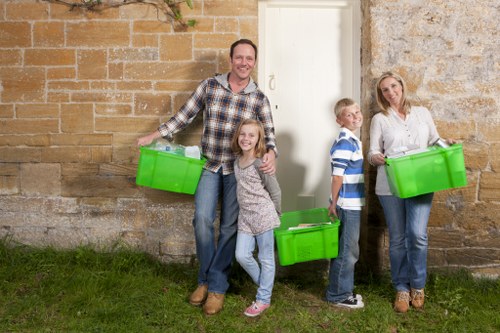
Partnerships and community reuse
We prioritise partnerships with charities and community organisations to maximise reuse of commercial-grade items. These arrangements include coordinating with furniture banks, community reuse centres, and social enterprises that refurbish office furniture, appliances and textiles. By diverting reusable items to charities we reduce waste sent to treatment and provide social value back to the local community. Charity partnerships are a core element of our sustainable rubbish area model and help create circular outcomes for goods that retain value.Our procurement and contracting standards favour partners who demonstrate strong reuse pathways and clear evidence of charity redistribution or resale. We track the flow of items destined for donation and provide reporting that shows tonnage redirected to community reuse, resale networks and specialist repair workshops — all key measures when evaluating commercial recycling in Upminster.
To reduce transport emissions we operate a fleet of low-carbon vans and increasingly electrified vehicles. Route optimisation software, scheduled consolidation of collections and the use of low-emission vans for last-mile pickups are standard practices. This commitment to low-carbon logistics supports the wider borough aim of lowering transport-related emissions and complements the eco-friendly waste disposal area concept by cutting the carbon intensity per tonne of waste managed.
How we make it happen
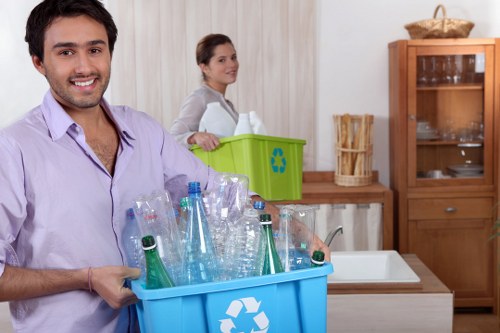
Implementation combines practical steps with measurable targets. Key actions include:- Segregated collections at source — clear bins for paper, card, mixed recycling, glass and food waste, aligned with the borough's separation guidance.
- Transfer station consolidation — routing materials through local transfer points to reduce mileage and increase load efficiency.
- Charity partnerships — structured donation channels for furniture, textiles and reusable equipment.
- Low-carbon fleet deployment — electric and hybrid vans for local collection rounds.
- Transparent reporting — quarterly recycling percentages and progress against our 60% target.
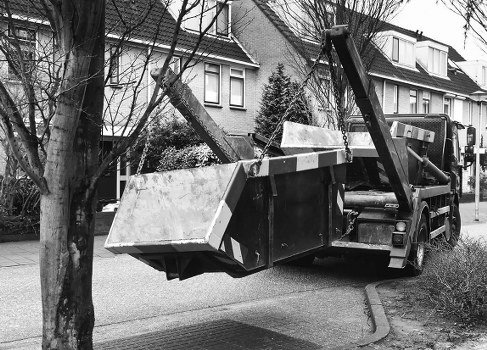 Continuous improvement drives our sustainability commitments for Upminster commercial waste. We monitor policy changes at the borough level, adapt to emerging recycling markets, and invest in staff training so that business customers consistently separate waste correctly. Education and operational clarity reduce contamination of recycling streams, increasing recovery rates and lowering costs for businesses using our services.
We recognise that local authorities and businesses share responsibility. The borough's approach to waste separation — emphasising source segregation, food waste collections and clear container labelling — is a helpful framework that our commercial services mirror to maintain consistency for businesses operating across boundaries. Collaborative working with council teams ensures that commercial and household systems are complementary rather than duplicative.
Finally, we report progress publicly and adjust plans to meet both environmental and commercial realities. Our commitments to an eco-friendly waste disposal area and a resilient sustainable rubbish area are backed by targets, local transfer station partnerships, charity reuse programmes, and a steadily decarbonising vehicle fleet. Together, these steps make commercial waste in Upminster more sustainable, more efficient and better aligned with the circular economy principles that local businesses and communities expect.
