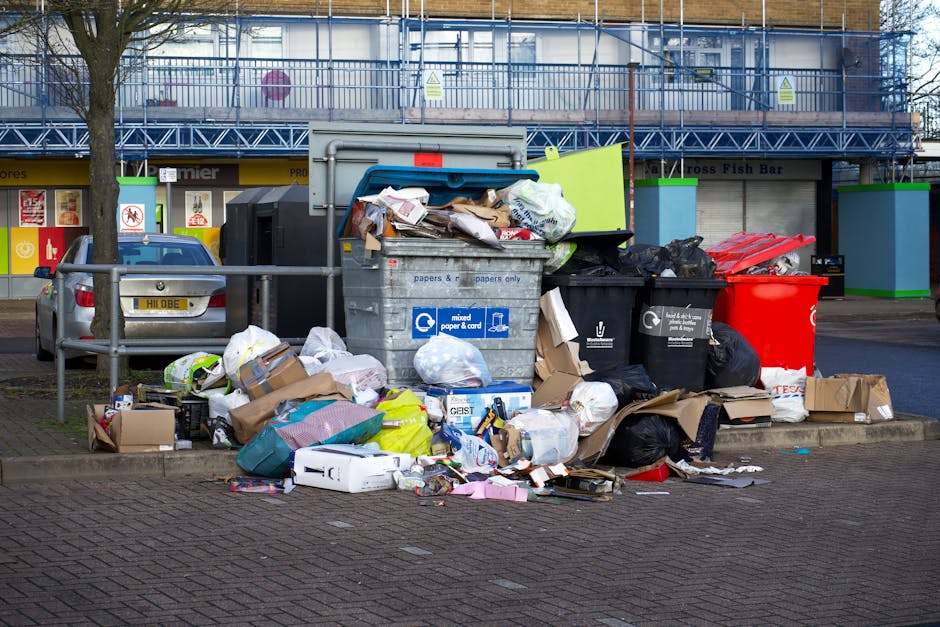
Rubbish collection guide Corbets Tey estate RM14

If you live on Corbets Tey estate and you need rubbish collected without the usual faff, this guide is for you. The reality is simple: waste builds up fast, whether it's a flat clearance, a garden refresh, a loft tidy-out, or the aftermath of a small building job. A good rubbish collection guide for Corbets Tey estate RM14 should help you decide what can go, what needs extra care, and how to avoid the messy bits that catch people out.
This article walks through the practical side of rubbish collection in a local, real-world way. You'll get a clear sense of how the process works, what to prepare, what affects price and timing, and where people usually go wrong. There's a bit of common sense in here too, because let's face it, rubbish removal sounds straightforward until you're standing in a hallway with half a wardrobe, a broken freezer, and nowhere to put the old paint tins.
Why rubbish collection on Corbets Tey estate RM14 matters
Estate living changes the way waste needs to be handled. Shared access, parking pressure, narrow walkways, neighbours passing by, and limited storage all affect how rubbish should be collected. On Corbets Tey estate, a tidy, planned collection keeps things moving without blocking entrances or leaving bags in communal areas longer than necessary.
That matters for a few reasons. First, it reduces inconvenience for everyone around you. Second, it lowers the risk of damage to walls, lifts, doors, and shared paths. Third, it helps you sort recyclable items, bulky waste, and anything that needs specialist handling before it becomes a last-minute problem. A small pile of clutter can turn into a bigger job surprisingly quickly. You know how it goes: one old chair becomes two, then a dismantled shelf, then the "while we're at it" pile.
There is also a quality-of-life angle. A cleared hallway, garage, loft, or garden feels lighter. The place breathes again. People often put off rubbish collection because it seems like a chore, but once the waste is gone, the difference is immediate and oddly satisfying.
Expert summary: The best rubbish collection is not just about removing waste. It is about doing it safely, at the right time, with the right disposal route, and without creating stress for you or your neighbours.
How rubbish collection works
Most rubbish collection jobs on an estate follow a simple pattern. You identify what needs to go, decide whether any items require special treatment, get a quote, and arrange a collection window. On the day, the crew loads the waste, separates reusable or recyclable material where possible, and takes it away for sorting or disposal.
For a typical home or flat collection, the practical steps are straightforward:
- List the items you want removed.
- Check whether anything is hazardous, electrical, heavy, or awkward to lift.
- Make sure access is clear from the collection point to the vehicle.
- Confirm the collection time and any parking or access details.
- Prepare items if they need bagging, dismantling, or grouping together.
On estates, the access question is often the biggest one. A collection that takes ten minutes in a driveway can take longer when the vehicle must be parked further away, or when waste must be carried down stairs or through communal corridors. That does not make it a problem, but it does mean you should describe the setup accurately when booking.
If you are comparing different types of waste removal, it helps to think about the job in categories. General rubbish is usually one thing. Bulky furniture, white goods, builders' rubble, or garden waste can be another. For example, if you are clearing a flat after a move, you may need something closer to flat clearance than a simple one-bag pickup. If the job involves a whole property, a home clearance or house clearance may fit better.
Truth be told, the best collections are the ones planned before the van arrives. A little sorting upfront saves a lot of lifting later.
Key benefits and practical advantages
People usually book rubbish collection for one obvious reason: they want stuff gone. Fair enough. But the real benefits go beyond empty floor space.
- Less stress: You avoid multiple trips to a tip, waiting around, or trying to borrow a car big enough for awkward items.
- Faster turnaround: Good collections can clear a significant amount in one visit, which is useful when you need space quickly.
- Safer lifting: Heavy or bulky items are handled by people used to carrying them, which matters more than people admit.
- Better sorting: Recyclable and reusable items can be separated from general waste where appropriate.
- Cleaner shared spaces: On an estate, a tidy collection reduces clutter in corridors, outside entrances, and near bins.
Another benefit is momentum. Once the waste is gone, the rest of the project gets easier. A garage clear-out feels manageable once the old mattress, broken shelving, and odd bits of packaging are no longer in the way. The same is true for office spaces and business premises, especially where unused items start taking over corners and storage rooms. If that sounds familiar, office clearance and business waste removal may be worth a look.
And yes, there is the simple emotional lift. A clean space makes decision-making easier. You stop stepping around stuff. You stop thinking about the job every time you walk past it. That alone can be worth it.
Who this is for and when it makes sense
This guide is useful for homeowners, tenants, landlords, letting agents, and local businesses around Corbets Tey estate RM14. It is especially relevant if you have one of these situations:
- End-of-tenancy rubbish that needs clearing fast
- Bulky furniture that will not fit in a car
- Garage or loft clutter that has been building up for years
- Garden waste after pruning, landscaping, or storm clean-up
- Light building waste from DIY or renovation work
- Kitchen appliances, old mattresses, or worn-out sofas
- Office furniture, archived paper, or shop waste
It also makes sense if you have limited time. Many people on estates juggle work, family, parking rules, and neighbours. Spending half a weekend shifting rubbish is not everyone's idea of fun. If you would rather get it handled in one go, a collection service is often the practical choice.
Sometimes the decision is about scale. A handful of black bags can be dealt with easily, but once the items become bulky or mixed, the job becomes more than a simple tidy-up. A pile of broken furniture, old appliances, and a couple of builder's bags is no longer "just a bit of rubbish". It is a collection job, and a proper one.
For furniture-heavy jobs, it may help to explore furniture clearance or, where individual items are the issue, furniture disposal. Likewise, if you are dealing with a garage full of odds and ends, garage clearance can be a cleaner fit than trying to describe every single item on the phone.
Step-by-step guidance
If you want a smoother collection, a simple process helps. Nothing fancy. Just clear thinking and a bit of order.
- Walk through the property first. Make a quick list of everything you want removed. Group items by type: bags, bulky furniture, electricals, garden waste, builders' waste, and so on.
- Separate anything risky. Paint tins, chemicals, gas canisters, broken fluorescent tubes, or unknown liquids should not be mixed into general rubbish. If something feels dubious, keep it aside and ask.
- Check what can be reused or recycled. A surprising amount of waste is not really waste in the everyday sense. Cardboard, metal, some wood, and certain appliances may be handled differently.
- Measure access points. This matters more than people expect. Stairs, narrow doorways, long paths, or limited parking can affect the collection plan.
- Get a clear quote. Be honest about the volume and the type of waste. Understating the job rarely helps anyone.
- Prepare the collection area. Put the items in one place if you can. If that is not possible, leave the route clear. Bags stacked neatly are better than bags scattered across three rooms.
- Confirm the final details. Check timing, payment method, access notes, and whether the crew needs help with any locked gates or fobs.
A small practical note: if the rubbish includes an appliance or a mattress, say so early. Those items are common, but they change how the job is planned. An old fridge is not the same as a bundle of household rubbish, and a damp mattress is nobody's favourite thing to carry, to be fair.
If you need specialist handling for an appliance, look at fridge and appliance removal. For soft furnishings, mattress and sofa disposal is the more relevant route. And if the job is part of a larger building project, builders waste clearance is a better match than general household rubbish collection.
Expert tips for better results
Small habits make a big difference. In our experience, the best collections are the ones where the customer has thought through the job just a little bit before booking.
- Photograph the waste before you book. A few clear photos help with volume estimates and access planning.
- Keep similar items together. Mixed piles slow everything down. Cardboard with cardboard. Furniture with furniture. Simple, but effective.
- Leave fragile or sharp items visible. Broken glass, nails, and splintered wood should not be hidden under loose bags.
- Ask about recycling routes. It is worth knowing whether reusable or recyclable materials will be separated.
- Allow a bit of spare time. Estate access, parking, and lift use can add a few minutes. Not a drama, just reality.
Here is another useful one: if you are clearing a room or area, work from top to bottom and from back to front. It sounds almost too obvious, but it prevents the annoying situation where you clear the front of the room only to discover a heavy item tucked behind it. Classic.
For bigger household jobs, loft clearance and garden clearance are helpful service categories to consider. They make the job feel less like a pile of random stuff and more like a proper plan.
Common mistakes to avoid
Most problems are avoidable. They usually happen because someone assumes the collection team will "just sort it out on the day". Sometimes they can. Sometimes they cannot. Better not to test the theory.
- Being vague about what needs removing. "A few items" can mean almost anything. Be specific.
- Mixing hazardous items with general rubbish. This creates safety and compliance issues.
- Blocking access paths. If the crew cannot reach the waste easily, the job takes longer and may cost more.
- Forgetting about parking. On an estate, parking can be the hidden issue that slows everything down.
- Assuming all waste is treated the same. It is not. Furniture, electricals, garden waste, and builders' waste often need different handling.
- Leaving the booking until the last minute. This is especially awkward if you are moving out or expecting visitors.
Another mistake is underestimating the emotional side of a clear-out. People often keep things "just in case" and then suddenly realise the pile has become too much. That is normal. You do not need to feel silly about it. Most households have at least one clutter corner that quietly multiplies in the background.
Tools, resources and recommendations
You do not need specialist equipment for every rubbish collection, but a few basic tools make preparation easier:
- Heavy-duty bin bags for loose household waste
- Work gloves for moving dusty or awkward items
- Tape or ties for keeping bundles together
- A torch for lofts, sheds, or dark corners
- A tape measure if large furniture or appliances are involved
- A marker pen for labelling anything that needs to stay separate
It also helps to know which service category best fits the job before you book. A domestic clear-out may point you towards house clearance or home clearance. If the job is mainly about one or two pieces, furniture disposal could be enough. If the waste is business-related, business waste removal is usually more appropriate.
For people trying to understand what can go into a skip versus what needs separate handling, what can go in a skip is a useful reference point. It is not exactly the same as rubbish collection, but it helps set expectations about material types. And if you want to think ahead about cost and service scope, pricing and quotes is worth reviewing before you commit.
Law, compliance, standards and best practice
Rubbish collection is not just a practical task; it sits within a wider set of UK waste-handling expectations. You do not need to become a legal expert, but you should know the basics.
As a rule, waste should be handled safely, transferred responsibly, and kept separate where specialist treatment is needed. Hazardous items should not be mixed into ordinary household rubbish. Electrical items, sharp objects, chemicals, and contaminated materials can all require extra care. That is why it is smart to flag them early instead of hoping they will disappear into the pile unnoticed.
For households and businesses, the main best-practice points are simple:
- Describe the waste honestly
- Do not leave unsafe items in communal areas
- Keep access routes clear
- Use the correct disposal route for specialist items
- Choose a provider that explains its processes clearly
If your collection includes potentially dangerous material, use a service that handles this type of waste with proper care. The dedicated hazardous waste disposal page is relevant when the job goes beyond normal household rubbish. For peace of mind more generally, pages such as insurance and safety and health and safety policy help reinforce the kind of standards a careful provider should work to.
There is also a privacy angle for some clearances. If you are removing old paperwork, archived records, or office files, it is better to use a proper shredding route than to put sensitive documents in a general pile. That is where confidential shredding becomes the sensible option.
In short: if something feels off, separate it. That one habit prevents a lot of avoidable issues.
Options and comparison table
There are a few ways to deal with rubbish on Corbets Tey estate RM14. The right choice depends on volume, timing, access, and what type of waste you have.
| Option | Best for | Strengths | Limitations |
|---|---|---|---|
| General rubbish collection | Mixed household waste, bags, small clutter | Quick, flexible, good for smaller jobs | Less suitable for very bulky or specialist waste |
| Furniture clearance | Single items or rooms of unwanted furniture | Good for sofas, wardrobes, tables, and beds | May be more than you need for simple bagged waste |
| House or home clearance | Whole-room, property, or move-out clearances | Ideal for larger, mixed jobs | Can be broader than necessary for small collections |
| Builders waste clearance | DIY waste, rubble, timber, renovation debris | Better suited to heavy or messy work | Not the best fit for regular domestic rubbish |
| Garden clearance | Cuttings, soil, branches, outdoor clutter | Useful after landscaping or seasonal tidying | Green waste and mixed waste may need sorting |
The comparison is useful because it stops you overpaying for a service that is too broad, or underbooking a service that is too small. If the job is basically a load of mixed household items, you want a collection that matches that. If it is a full clear-out, do not squeeze it into a tiny category and hope for the best.
Case study or real-world example
Here is a realistic example from the kind of work this guide is built around. A resident on Corbets Tey estate had been storing old furniture, cardboard boxes, a broken bedside cabinet, and a couple of bags from a bathroom refresh in a spare room. Nothing dramatic, just the sort of clutter that quietly eats into space over time.
At first, it looked like a small job. Then the cupboard was opened. Then the loft hatch came down. Then there were some extra bits from the hallway. Pretty normal, honestly. The key step was not waiting until everything was stacked at the front door. Instead, the items were grouped by type, one photo was taken of the whole lot, and access from the flat to the collection point was checked before booking.
That made the collection smoother. The team could see that it was a mixture of furniture, cardboard, and general rubbish, so they arrived with the right expectations. A job that could have become stressful ended up being tidy and quick. The resident also avoided the awkward "I thought it was just these bags" moment that sometimes happens when waste volume has been underestimated.
The lesson is simple enough. Clear the decision-making early, and the removal itself becomes the easy bit.
Practical checklist
Use this checklist before booking rubbish collection on Corbets Tey estate RM14:
- Have I listed every item that needs to go?
- Have I separated hazardous, sharp, or unusual waste?
- Do I know whether any items are bulky, heavy, or electrical?
- Is access clear from the property to the collection point?
- Have I considered parking or loading restrictions?
- Have I chosen the most suitable service type?
- Do I have photos ready if needed for a quote?
- Have I asked what happens to recyclable items?
- Is there anything sensitive that needs confidential disposal?
- Am I clear on timing, payment, and collection expectations?
If you can tick most of those off, you are in good shape. If a couple are still uncertain, that is fine too. Better to clarify now than to scramble later on collection day.
Conclusion
A sensible rubbish collection guide for Corbets Tey estate RM14 should make life easier, not more complicated. The main idea is to match the right collection method to the right type of waste, prepare access properly, and avoid the common errors that turn a simple job into a long one. That means thinking about volume, item type, safety, and timing before anyone arrives with a van.
Whether you are clearing a flat, emptying a garage, sorting garden waste, or dealing with a few bulky items that have outstayed their welcome, the same principle applies: plan first, remove second. It sounds basic because it is basic. But basic done well saves money, time, and a fair bit of frustration.
And once the clutter's gone, you'll notice it straight away. The room feels calmer. The path is clear. Life gets a bit easier. That counts for something.
Get a free quote today and see how much you can save.
Frequently Asked Questions
What does rubbish collection on Corbets Tey estate RM14 usually include?
It usually covers general household waste, bagged rubbish, bulky items, furniture, and in some cases light garden or builders' waste. The exact scope depends on the service you book and what the provider is able to handle safely.
How do I know if I need rubbish collection or a fuller clearance service?
If you only have a few bags or a small number of items, rubbish collection may be enough. If you are clearing a room, garage, loft, or whole property, a broader service such as home clearance, house clearance, or flat clearance is often more suitable.
Can I include old furniture in a standard rubbish collection?
Sometimes yes, but bulky furniture is often handled under furniture clearance or furniture disposal. It depends on the size of the items and how much space they take up.
What should I do with electrical items like fridges or microwaves?
Electrical items should be mentioned separately when booking. Fridges and larger appliances need their own handling route, which is why fridge and appliance removal is the right category for those jobs.
Is garden waste treated the same as general rubbish?
Not always. Garden waste like branches, cuttings, and soil may be handled differently from mixed household rubbish. If the job is mainly outdoors, garden clearance is usually the better fit.
What if I have hazardous or unusual waste?
Keep it separate and tell the provider before collection. Paints, chemicals, unknown liquids, and other risky materials should not be mixed into general waste. Hazardous waste disposal is the safer route for those items.
How can I make the collection go faster?
Group similar items together, clear the access route, provide accurate photos, and make sure parking or entry arrangements are sorted in advance. Small prep saves a lot of time on the day.
Do I need to be home during the collection?
Often yes, or at least someone needs to be available to confirm access and the items to remove. Some bookings can be arranged differently, but that should be agreed in advance rather than assumed.
Can rubbish collection help with a move-out or end-of-tenancy clean-up?
Absolutely. It is one of the most common reasons people book. Mixed rubbish, broken furniture, and leftover clutter can all be removed before handover, which makes the property easier to deal with.
What is the difference between rubbish collection and skip hire?
Rubbish collection involves a team coming to remove the waste for you. Skip hire means you fill a skip yourself over a set period. If you want to compare what can go in a skip, the skip guidance page can help you understand the practical differences.
How do I know I am choosing a responsible provider?
Look for clear information about safety, insurance, recycling, payment, and handling processes. A trustworthy provider should explain how waste is managed and should not be vague about hazardous or special items.
What is the best first step if I am not sure how much rubbish I have?
Take a few photos, make a rough list, and group the items by type. That gives you a much better starting point for a quote or recommendation than guessing. It also avoids the classic over-optimistic estimate. We have all done it once.
For more about service standards and how the company works, you can also review the about us page, or check recycling and sustainability if you want a better sense of the environmental approach. If you are ready to organise the job, the book online page is the natural next step.
A tidy space has a quiet kind of power, and it is usually worth the effort.